Underbrush Clearing in Houston, TX
Underbrush clearing services involve removing dense vegetation, shrubs, and overgrown plants to improve the safety, appearance, and usability of a property. This service is often requested for projects such as preparing land for new construction, creating clear pathways, maintaining open views, or reducing fire hazards. Property owners typically want to understand what types of vegetation can be removed, the extent of clearing needed, and how the process may impact existing trees or landscaping features.
Before requesting underbrush clearing, homeowners should consider the size of the area to be cleared, the types of plants present, and any local regulations regarding vegetation removal. Clarifying these details helps ensure the work aligns with property goals and complies with local guidelines. Additionally, understanding the potential for debris removal and disposal options can contribute to a smoother project process.
Many property owners in Houston, TX look into Underbrush Clearing for repairs, replacements, upgrades, and appearance-related improvements.
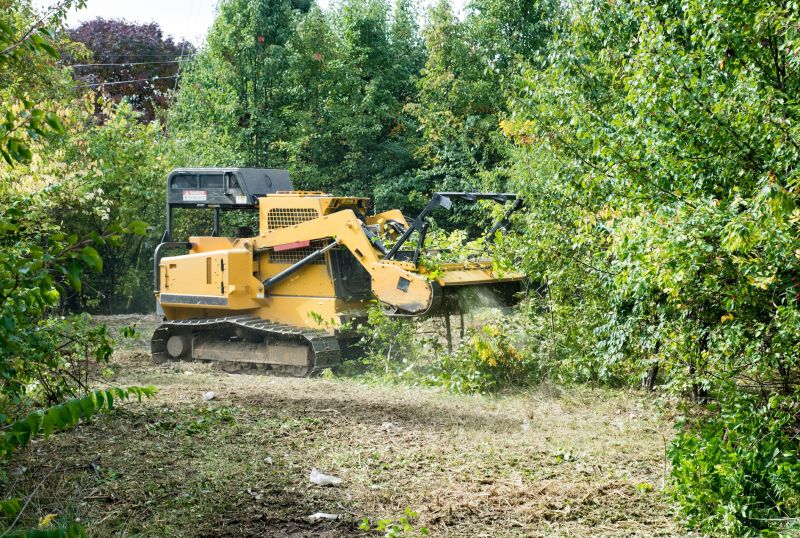
Clearing Overgrown Underbrush
Removing dense underbrush helps improve safety and visibility around your property.
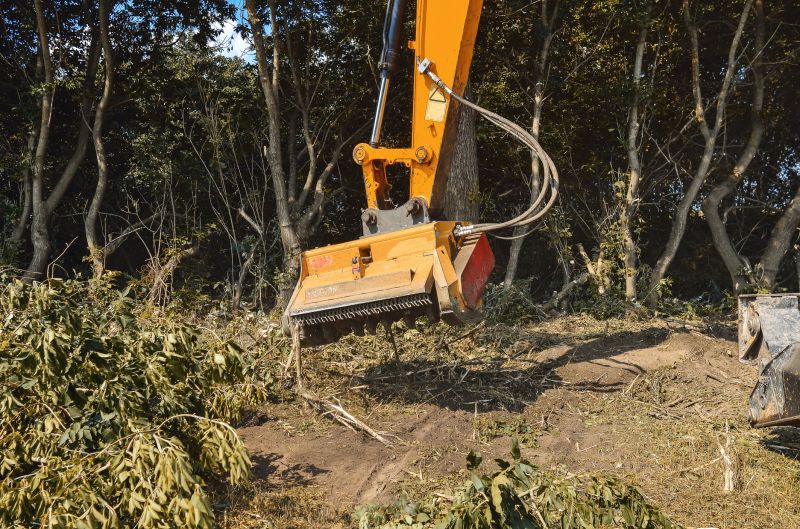
Maintaining Property Aesthetics
Regular underbrush clearing enhances the appearance and value of residential and commercial landscapes.
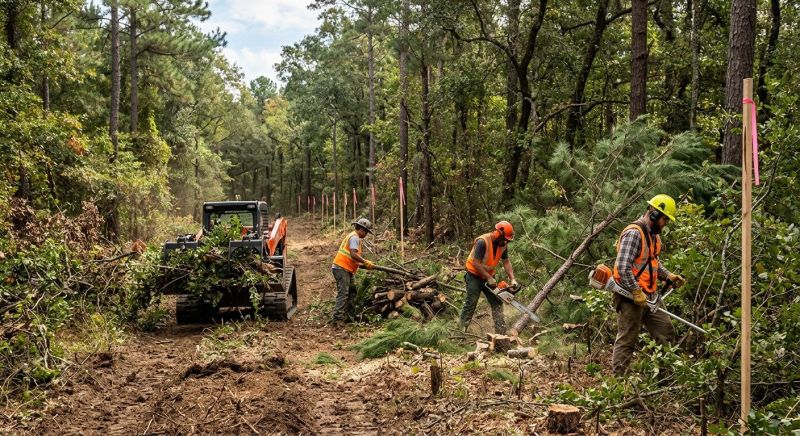
Preparing Land For Projects
Clearing underbrush is essential for preparing properties in houston, tx for construction, landscaping, or recreational use.
Underbrush Clearing in Houston, TX
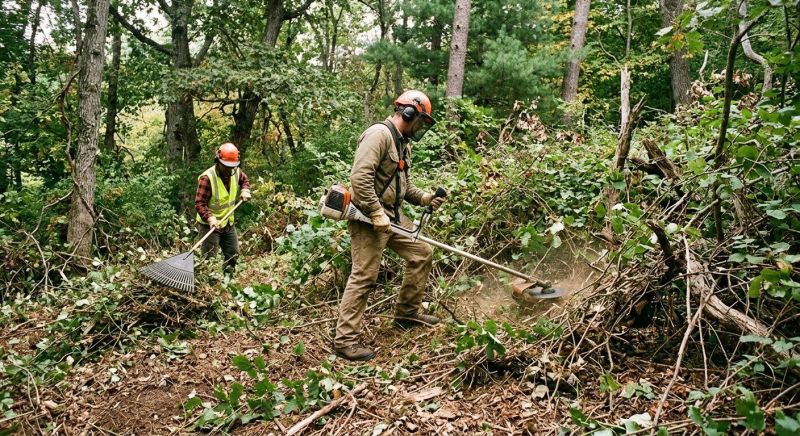
Underbrush clearing services involve removing dense vegetation, shrubs, and overgrown plants to improve the safety, appearance, and usability of a property. This service is often requested for projects such as preparing land for new construction, creating clear pathways, maintaining open views, or reducing fire hazards. Property owners typically want to understand what types of vegetation can be removed, the extent of clearing needed, and how the process may impact existing trees or landscaping features.
Before requesting underbrush clearing, homeowners should consider the size of the area to be cleared, the types of plants present, and any local regulations regarding vegetation removal. Clarifying these details helps ensure the work aligns with property goals and complies with local guidelines. Additionally, understanding the potential for debris removal and disposal options can contribute to a smoother project process.
Many property owners in Houston, TX look into Underbrush Clearing for repairs, replacements, upgrades, and appearance-related improvements.
Common Underbrush Clearing Jobs
Brush removal - clearing dense undergrowth to improve yard safety and appearance.
Overgrown lot clearing - removing thick underbrush to prepare land for development or landscaping.
Fire prevention clearing - reducing fire hazards by removing combustible underbrush and dead vegetation.
Trail and pathway clearing - maintaining clear and accessible routes through wooded or overgrown areas.
Fence line clearing - trimming back underbrush along property boundaries to prevent damage and define borders.
Invasive plant removal - eliminating unwanted plants to promote healthy native growth and improve landscape aesthetics.
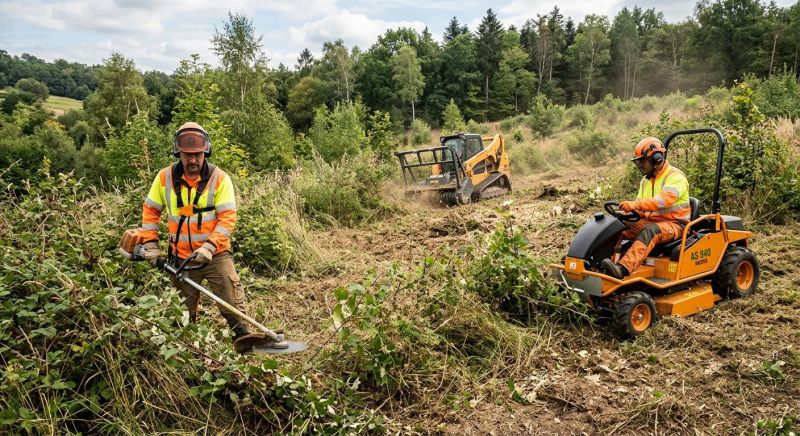
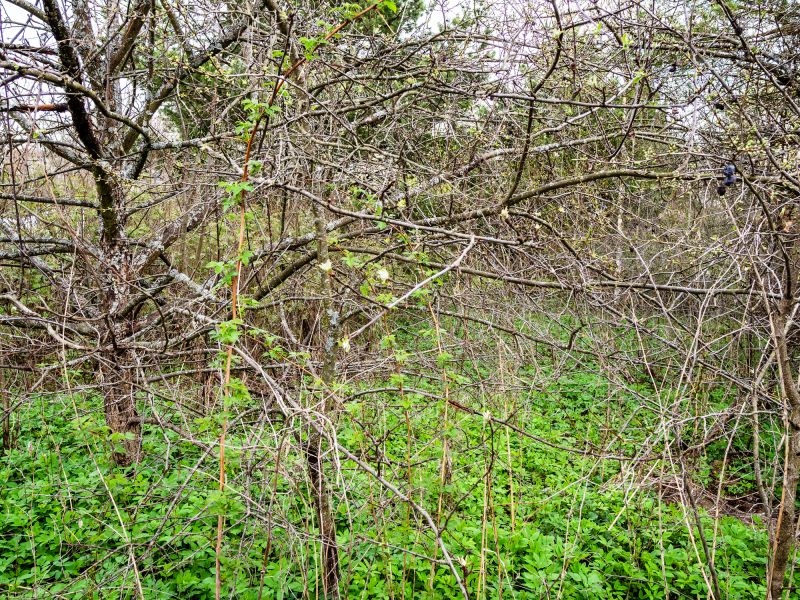
Underbrush Clearing Questions
What is underbrush clearing? Underbrush clearing involves removing small trees, shrubs, and dense vegetation to improve property appearance and safety.
Why should property owners consider underbrush clearing? Clearing underbrush reduces fire hazards, improves visibility, and creates space for landscaping or recreational use.
What types of properties benefit from underbrush clearing? Residential yards, commercial properties, and vacant land all benefit from regular underbrush removal to maintain safety and aesthetics.
When is the best time for underbrush clearing? The best time depends on the property’s needs, but it is often done in late winter or early spring before new growth begins.
Request Underbrush Clearing in Houston, TX
Use the quote form on this page to share the basics of your project and request more information for the type of work you need.